Peter Millar Pricing 2026: What You'll Actually Pay
Golf apparel pricing has become increasingly complex. Walk into a pro shop or browse online, and you'll find premium performance polos ranging across multiple tiers, each reflecting different fabric technologies, construction quality, and seasonal positioning. For golfers accustomed to mass-market options, understanding where the premium segment sits and what justifies the price difference has become essential to making confident purchases.
Premium golf and lifestyle brands have carved out a distinct market position by combining high-performance materials with design appeal that extends beyond the course. These brands attract both serious golfers and style-conscious consumers who value durability, fit, and the ability to wear their apparel across multiple settings. In 2026, pricing in this segment reflects both the quality of materials and the brand positioning within the luxury performance category.
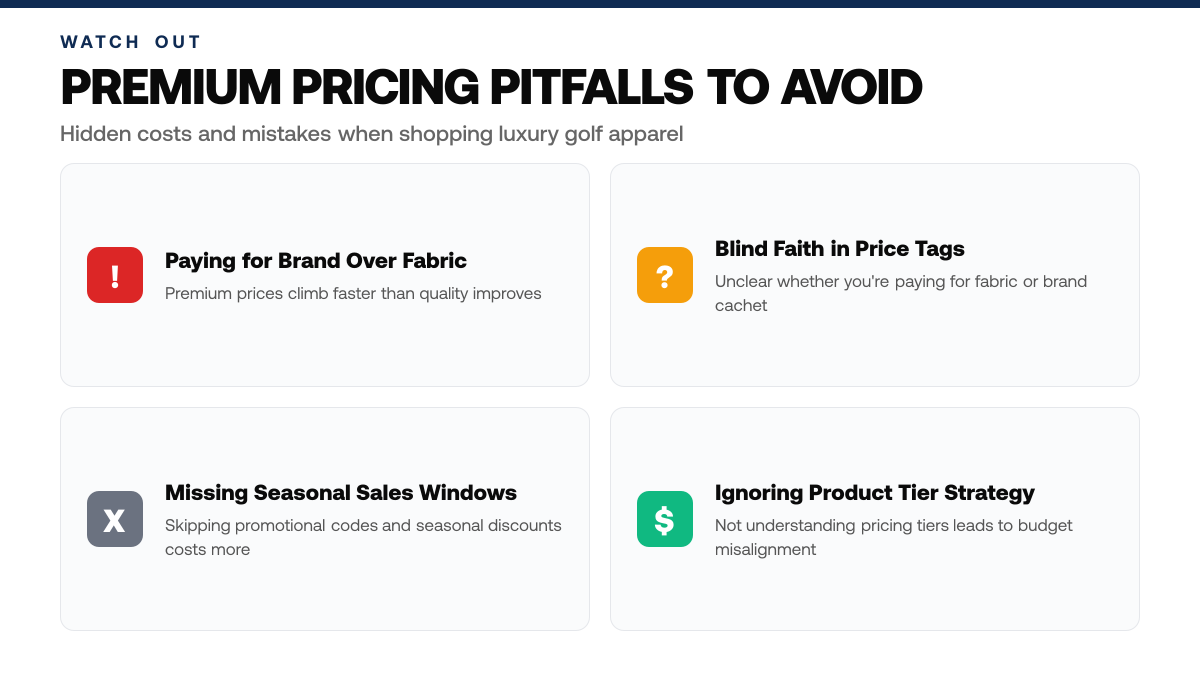
This article breaks down what you'll actually pay for premium golf polos in 2026, explores the multiple product tiers that shape pricing strategy, and explains how seasonal variations affect the cost of high-performance wear. Whether you're investing in a single signature piece or building a rotation of reliable options, understanding the pricing landscape helps you align your purchase with your budget and expectations. Premium golf apparel prices climb faster than quality improves, leaving buyers unsure whether they're paying for fabric or brand cachet, Haven Golf Company's Airflex™ material construction delivers visible durability and comfort that justifies the cost without requiring blind faith.
TL;DR
Peter Millar polos and core apparel span mid-tier to premium price points, with costs varying by fabric quality, fit, and collection tier.
Seasonal sales and promotional codes can reduce prices below full retail, making premium pieces more accessible throughout the year.
Smart shoppers track promotional windows and use verified discount codes to maximize value on high-performance, stylish apparel.[1]
Understanding Peter Millar Pricing Strategy
What Makes Peter Millar Pricing Premium?
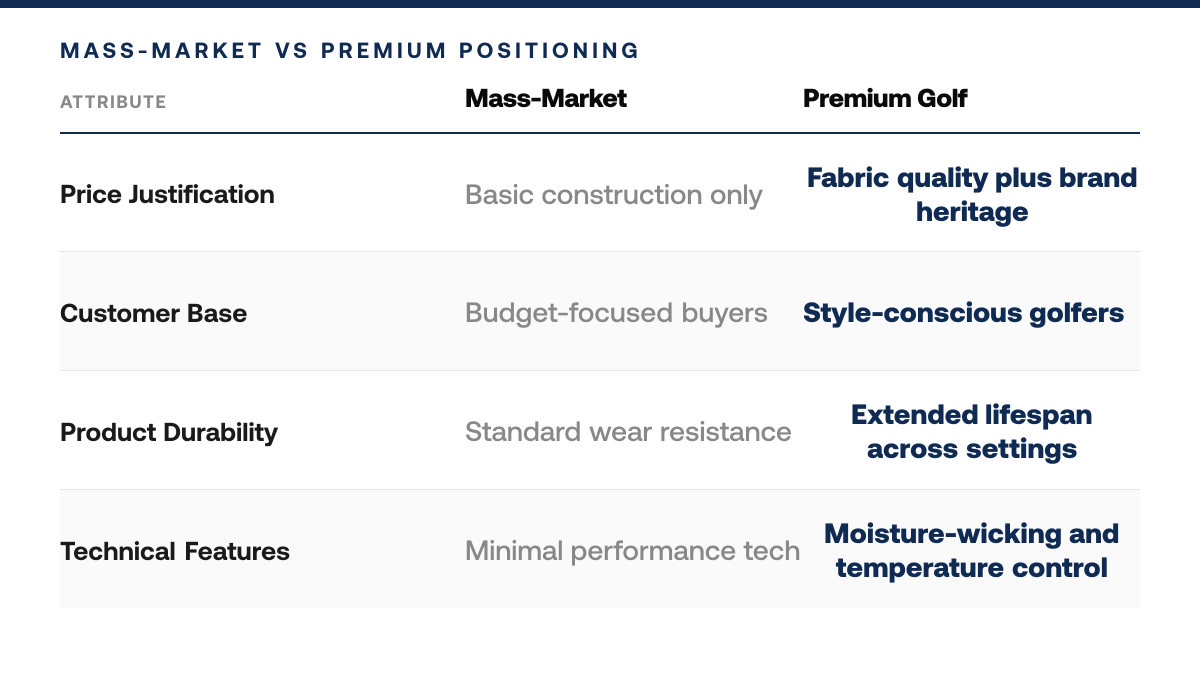
Peter Millar positions itself in the premium golf and lifestyle apparel segment, where pricing reflects a combination of factors beyond basic garment construction. The brand's strategy centers on three core pillars: superior fabric quality sourced from premium suppliers, integrated performance technology designed for active wear, and the brand's established heritage in golf culture. According to expert analysis, these elements justify retail prices that exceed mass-market alternatives. Customers paying Peter Millar prices are investing in durability, aesthetic refinement, and technical features like moisture-wicking and temperature regulation that enhance both on-course performance and everyday wearability.[3]
Why Price Segmentation Matters to Different Golfers
Not every golfer or lifestyle shopper has identical budget constraints or performance priorities, which is why Peter Millar operates multiple product tiers. The brand's core collection serves customers seeking reliable, everyday performance pieces at a foundational price point. Seasonal collections introduce limited-run designs and advanced technical innovations, appealing to enthusiasts willing to invest more for exclusivity and cutting-edge features. Limited-edition releases target collectors and brand loyalists who value rarity and heritage storytelling. This tiered approach ensures that serious golfers, a demographic with household incomes around $150,000, can find entry points across the brand's range while still accessing premium quality.[3]
The Broader Market for Premium Golf Apparel
The golf apparel market continues to expand, driven by sustained participation and growing diversity among on-course players. Women's apparel is growing faster than the overall golf apparel market, reflecting broader demographic shifts in the sport. This expansion creates opportunity for brands that can serve multiple customer segments with distinct price-to-value propositions. Premium positioning, like Peter Millar's strategy, appeals to consumers who view apparel as an extension of personal identity, patriotism, or team affiliation rather than mere functional clothing. In this context, pricing that reflects genuine quality and heritage becomes a feature, not a barrier, for the target audience.[3]
Key Numbers for Peter Millar Pricing 2026: What You'll Actually Pay
Serious golfers represent 21% of US golfers but account for 70-75% of golf equipment purchases, driving demand for premium apparel.[3]
Women's apparel is growing faster than the overall golf apparel market, expanding the customer base for performance-focused brands.[5]
Annual golfer spending on golf-related activities ranges from $1,500 to $2,500 per year on average, positioning apparel within broader lifestyle budgets.[3]
Serious golfers average household income is about $150,000, reflecting the target demographic for mid-to-premium golf apparel.[5]
Return rates for premium apparel increase when fit is not clearly communicated, emphasizing the importance of accurate sizing information in pricing perception.[5]
Step-by-Step Process
1. Identify Your Preferred Fit and Fabric Type
Before comparing prices, determine which Peter Millar silhouette matches your body and style. The brand offers multiple fits across its collections, each designed for different body types and wear occasions. Simultaneously, review the fabric composition, performance materials, cotton blends, and seasonal weights each carry different price points. Understanding whether you prioritize moisture-wicking for on-course play or a classic cotton aesthetic for lifestyle wear narrows your options and prevents overpaying for features you won't use.[2]
2. Determine Which Collection Tier Fits Your Budget
Peter Millar organizes its offerings across multiple collection tiers, from entry-level to premium heritage lines. Each tier reflects different design complexity, fabric sourcing, and construction standards. This is where a brand like Haven Golf Company earns its keep. Higher tiers command premium pricing due to advanced performance features or limited-edition aesthetics. Research which collection aligns with your needs and budget constraints. This step prevents sticker shock and ensures you're not paying luxury prices for basics, or conversely, settling for lower-tier options when a slightly higher investment delivers better durability.[2]
3. Compare Full-Price Retail Against Seasonal and Outlet Pricing
Full-price retail represents the brand's standard pricing, but savvy shoppers recognize that seasonal sales and outlet channels offer meaningful discounts. Seasonal clearance events typically occur at collection transitions, while outlet inventory includes previous-season styles at reduced margins. Track when sales cycles occur and subscribe to notifications if available. Understanding these pricing channels allows you to make informed decisions about timing, whether to purchase immediately at full price for new releases or wait for seasonal reductions on prior collections.
4. Assess Total Value Against Your Annual Apparel Budget
Position Peter Millar pricing within your broader clothing and lifestyle spending. Consider how frequently you wear golf apparel, whether pieces serve multiple occasions beyond the course, and the expected lifespan relative to cost. Premium apparel often delivers better longevity and versatility than lower-priced alternatives, making per-wear cost more favorable over time. This holistic assessment prevents impulse purchases while validating investments in quality pieces that align with your annual clothing expenditure and personal style priorities.
How This Works in Practice
Example 1: The Golfer's Performance Investment
Picture a golfer who plays in a weekly league and attends several tournaments throughout the year. She's been wearing generic athletic polos that fade after a season or two, and she's tired of replacing them. When she discovers Peter Millar's performance-focused line, engineered for moisture management, UV protection, and durability on the course, she invests in a few pieces at the higher end of the brand's range. Yes, the price is steeper than mass-market alternatives, but the fabric holds its color and shape through dozens of rounds, the fit flatters her frame, and she feels confident in her appearance whether she's competing or socializing after the round. Within a season, she's replaced fewer items and actually spent less overall than she would have on cheaper polos that wore out faster.[4]
Example 2: The Casual Wearer with Pride
Imagine a parent shopping for weekend wear that doubles as a way to show school or team spirit. A Peter Millar lifestyle polo in the mid-range price tier offers a polished alternative to standard printed t-shirts, it's the kind of piece that works for casual outings, tailgating, or family gatherings without looking like generic merchandise. The quality construction and refined aesthetic justify the investment for someone who values looking put-together on a budget that's still reasonable. By mixing a handful of these polos with other basics, the wearer builds a versatile wardrobe that feels intentional and lasts through multiple seasons, making the per-wear cost feel worthwhile.[4]
Why the Investment Pays Off
Both scenarios share a common thread: Peter Millar's pricing reflects genuine durability, design, and performance across different use cases. Whether you're chasing performance on the course or seeking lifestyle pieces that carry meaning, the brand's tiered range ensures there's an entry point that aligns with your needs, and the longevity of each piece means you're not replacing basics constantly. That's where the value becomes clear.[4]
Peter Millar Value Confirmation Checklist
Verify the polo's fabric composition matches your climate, merino wool for temperature regulation, cotton for breathability, or performance blends for durability.
Confirm the fit (slim, classic, or relaxed) aligns with your body type and intended wear, golf, casual, or layering under sweaters.
Check the price tier against comparable high-performance brands to ensure you're paying for quality construction, not just the label.
Review care instructions and fabric weight to assess longevity, heavier knits and premium materials justify higher investment.
Compare seasonal collections (spring, fall, winter) to find price-to-performance sweet spots aligned with your wardrobe needs.
Evaluate resale value potential on secondary markets to understand the true depreciation of your investment over time.
Common Mistakes to Avoid
Mistake: Confusing full retail price with actual sale pricing
Peter Millar's MSRP often differs significantly from what you'll pay at authorized retailers or during promotional periods. Buyers who anchor to the full retail tag risk overestimating true cost and missing genuine value. Always check current pricing across multiple retailers and seasonal sales to understand the real market price you'll actually pay.[5]
Mistake: Overlooking fit variations that affect perceived value
Peter Millar offers multiple fits and silhouettes across collections, and sizing can vary between lines. A garment that doesn't fit properly undermines its perceived premium positioning, making even a discounted piece feel overpriced. Always review fit guides, check return policies, and read customer feedback on specific styles before committing to purchase.
Mistake: Not accounting for seasonal and promotional discounts
Peter Millar's pricing fluctuates with seasonal transitions and clearance events. Buyers who purchase at full price during peak seasons miss opportunities to acquire the same quality at lower cost. Monitor sale calendars, sign up for retailer alerts, and time purchases around end-of-season or holiday promotions to optimize your spend.[5]
Frequently Asked Questions
Where can I find current Peter Millar pricing and promotions?
Peter Millar's official website and authorized retailers display current pricing and seasonal promotions. Promo codes are regularly available through verified coupon platforms and the brand's email newsletter. According to Whowhatwear, checking official retail channels ensures you access legitimate discounts rather than counterfeit inventory from unauthorized resellers. Always verify the retailer's authorization before purchase.[1]
What's the difference between official retail, authorized retailers, and discount channels?
Official retail refers to Peter Millar's direct website and owned stores, where full pricing transparency and return policies apply. Authorized retailers are vetted partners, department stores and specialty golf shops, that carry authentic inventory at recommended retail prices. Discount channels like outlet sites or third-party marketplaces may offer lower prices but carry higher risk of counterfeit or overstock merchandise. Authorized channels guarantee authenticity and customer service.[1]
Does Peter Millar apparel hold its value over time?
Peter Millar pieces, particularly classic polos and performance wear, retain strong resale value due to durable construction and timeless design appeal. The brand's reputation among golfers and lifestyle shoppers supports secondary-market demand. Quality materials resist wear, making pieces attractive to buyers seeking long-term wardrobe investments. Condition and rarity of themed collections (Patriotic, Military, College Town lines) influence resale pricing.
TravisMathew Pricing 2026: What You'll Actually Pay — When you're shopping for a premium golf polo, the price tag tells a story about where the brand sits in the market. A lifestyle apparel maker that builds polos around…
Rhoback Pricing 2026: What You'll Actually Pay — When you're shopping for a new golf polo, the price tag tells part of the story, but not all of it. A well-made performance shirt that breathes in summer heat, holds its…