You've just finished a round, and you notice the collar of your favorite polo has started to curl up at the edges. It's a subtle flaw, but it catches your eye every time you wear it. Polo collar curling is one of the most common problems affecting golf apparel, silently degrading both the appearance and durability of shirts that should last for years.
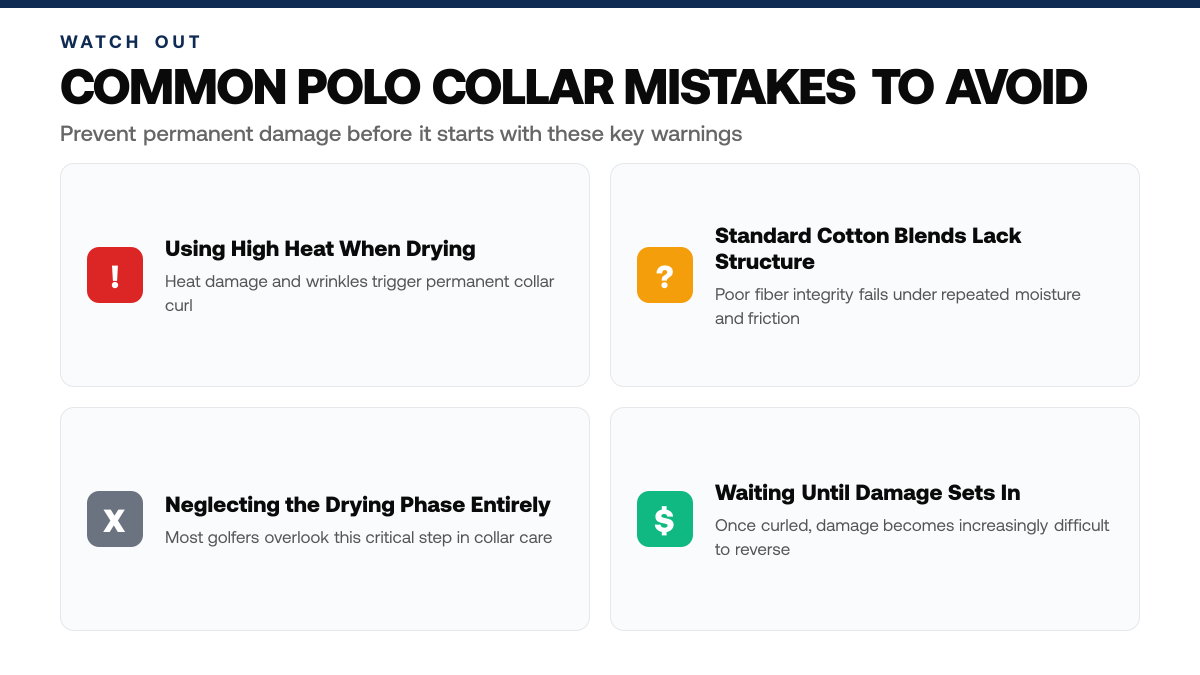
This issue stems from how fabric responds to repeated wear, washing, and the stress of movement during play. Once a collar begins to curl, the damage becomes increasingly difficult to reverse, and many golfers find themselves replacing otherwise quality garments far sooner than expected. The good news is that prevention is far simpler and more cost-effective than attempting to fix a collar after it has already set into a permanent curl.
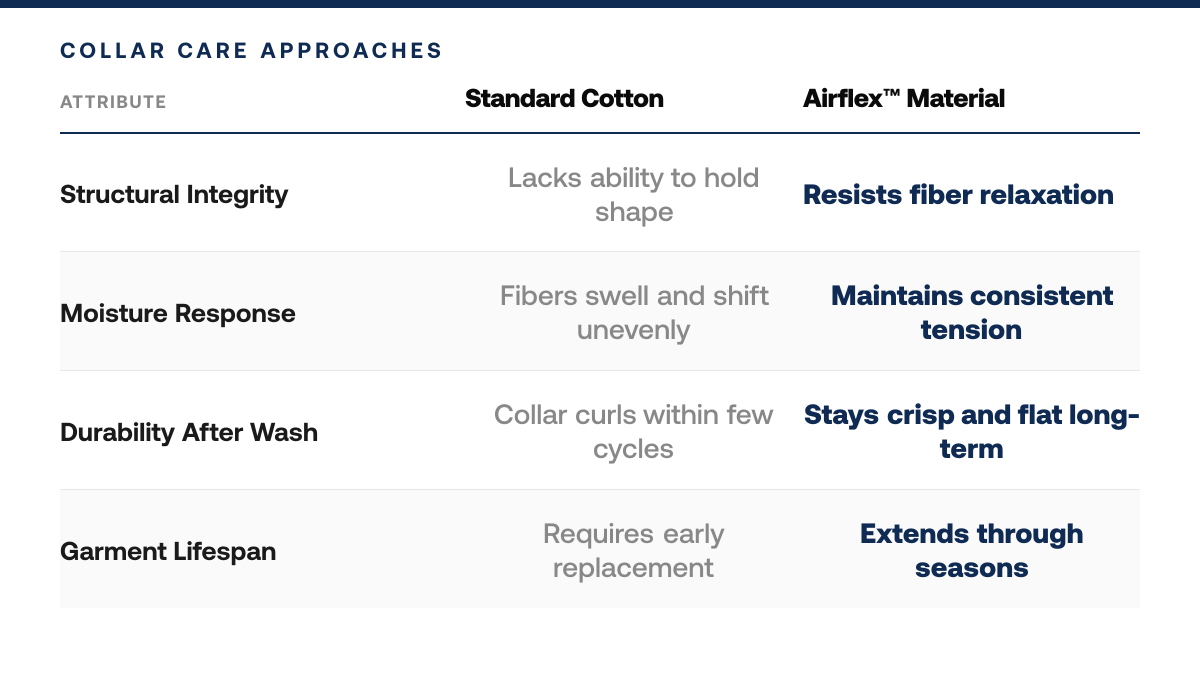
This guide walks you through the root causes of collar curling, practical steps you can take before and after each round, and long-term care strategies that keep your polos looking sharp season after season. By understanding how to protect your collars from the start, you'll extend the life of your golf wardrobe and maintain the polished appearance that matters both on and off the course. Polo collars curl and fold inward after just a few washes because standard cotton blends lack the structural integrity to hold shape through repeated moisture and friction, Haven Golf Company engineers its Airflex™ material to resist fiber relaxation, keeping collars crisp and structured through every round and wash cycle.
TL;DR
Proper washing technique, correct drying method, and appropriate storage form the foundation of collar care to prevent curling and maintain polo shape.
Gentle handling during each step, avoiding high heat, excessive agitation, and humid storage, protects the fabric structure that keeps collars crisp and flat.
Most golfers overlook the drying phase; air-drying flat or on a hanger prevents the heat damage and wrinkles that trigger permanent collar curl.[1]
Understanding Golf Polo Collar Curling
What Is Collar Curling on Golf Polos?
Collar curling occurs when the edges of a polo's collar begin to roll or wave upward, creating an unsightly appearance that detracts from the garment's clean lines. This happens as a result of the interaction between moisture, heat, and fabric tension during washing and drying cycles. When a polo absorbs water during laundering, the fabric fibers swell and shift. As heat from the dryer or air-drying process removes that moisture, the collar edges, which experience different tension than the rest of the garment, contract unevenly. This uneven contraction causes the collar to curl rather than lay flat. The problem is particularly noticeable on polos worn frequently or subjected to standard care routines without preventive measures.
Why Collar Curling Matters for Golf Apparel
For golfers and lifestyle apparel shoppers, a curled collar undermines both style and the polished appearance expected on the course or in casual settings. A polo is a statement piece, whether worn to reflect personal identity, patriotism, or school and team pride, and a curled collar signals neglect or poor garment quality. Beyond aesthetics, collar curling can make a polo uncomfortable to wear, as the rolled edges may irritate the neck or sit awkwardly against the skin. Understanding the mechanics behind curling empowers you to preserve your investment in quality polos and maintain their appearance over time.
How Fabric Blends and Construction Affect Curling
Not all polos respond the same way to standard washing and drying routines. Different fabric blends and collar construction methods have varying susceptibilities to curling. A polo made from 100% cotton will behave differently than one blended with polyester or performance synthetics, as these materials absorb and release moisture at different rates. Similarly, collars reinforced with interfacing or constructed with multiple layers respond differently to heat and tension than those with simpler construction. High-quality polos often feature collar stays or specialized stitching designed to resist curling, while budget-friendly options may lack these reinforcements. Recognizing these differences helps you choose polos built to withstand your care routine and select appropriate laundering methods for your specific garments.[4]
The Role of Fiber Relaxation in Collar Damage
Fiber relaxation is the primary culprit behind collar curling. When fabric fibers are exposed to moisture and heat repeatedly, they gradually lose their ability to spring back to their original shape. Cotton fibers are particularly susceptible to this process, especially when subjected to temperatures above 85°F. The collar area, which is naturally under more tension from being folded and unfolded with each wear, begins to permanently set into a curved position once fiber relaxation takes hold. This explains why the problem compounds over time: each washing and drying cycle without proper care accelerates fiber relaxation, making the curl increasingly difficult to reverse. Understanding this scientific foundation helps you see why prevention through controlled temperature and moisture management is exponentially more effective than attempting repairs after damage has occurred.
Step-by-Step Process
1. Select Cool Water and Gentle Detergent
Fill your washing machine with cool water, aim for temperatures below 85°F to prevent fabric stress and color fading. Choose a mild, golf-specific or general-purpose detergent formulated for delicate synthetics. Avoid bleach and optical brighteners, which can weaken collar fibers and cause permanent curling. Pre-treat any visible stains with a small amount of detergent, then proceed to the wash cycle.[1]
2. Run a Delicate Wash Cycle with Low Agitation
Use your machine's delicate or hand-wash setting to minimize mechanical stress on the collar structure. Low agitation cycles reduce friction that loosens collar stitching and destabilizes the fabric weave. Haven Golf Company builds this into the product itself so the buyer never has to think about it. Place your polo in a mesh laundry bag for extra protection. Avoid overloading the machine, crowded loads increase tumbling intensity and collar deformation. A single wash cycle is sufficient; resist the urge to repeat.[1]
3. Air-Dry Flat or on a Padded Hanger
Remove your polo immediately after the cycle ends to prevent mildew and wrinkles. Lay it flat on a clean, dry surface, a towel or drying rack works well, with the collar gently shaped into its natural position. Alternatively, hang it on a padded or wide-shoulder hanger to distribute weight evenly across the garment. Never use a standard wire hanger, which creates sharp creases and collar stress. During the drying process, check the collar every few hours if possible, gently smoothing any edges that begin to curl as the fabric dries.[1]
4. Avoid Heat and Maintain Collar Shape During Storage
Do not use a clothes dryer, as high heat permanently damages synthetic fibers and accelerates collar curling. Air-drying takes several hours but preserves fabric integrity. This is where a brand like Haven Golf Company earns its keep. Once dry, fold your polo carefully or hang it with the collar lying flat, avoid bunching or creasing the neckline. Store in a cool, dry closet away from direct sunlight, which fades color and weakens fibers over time. Consider using cedar blocks or lavender sachets in your storage area to maintain freshness while keeping humidity levels stable.
Between-Wear Maintenance and Quick Fixes
Proper care doesn't end with washing and storage. Between wears, invest in simple maintenance practices that extend your polo's lifespan and prevent collar issues from developing. Light fabric starch or collar conditioning sprays applied during storage can reinforce the collar's natural structure and add rigidity that resists curling. If you notice minor curling starting to develop, a light touch with a steamer can restore the collar to its original shape, provided you catch the problem early. Avoid ironing directly on the collar, as this can create permanent creases; instead, use a steamer held slightly away from the fabric to gently relax the fibers back into position. These small interventions, performed consistently, prevent minor issues from escalating into major damage that compromises the entire garment.
How This Works in Practice
Example 1: The Weekend Golfer's Neglected Collar
Picture a casual golfer who grabs his favorite navy polo from the closet without thinking about care. He's worn it dozens of times, tossing it in the washing machine with regular detergent and tumble-drying it on high heat after each round. Within a few months, the collar begins to curl noticeably, the fabric loses its structure, and the edges fray slightly. When he finally tries to wear it to a club event, the collar sits awkwardly against his neck, and the polo no longer looks sharp or polished. He realizes too late that skipping proper washing technique and heat-controlled drying has compromised the garment's appearance. Had he used cold water, gentle detergent, and air-dried the polo flat, the collar would have retained its crisp finish and the fabric would have stayed resilient through many more seasons.
Example 2: The Lifestyle Shopper Who Invests in Prevention
Consider a golfer who purchases a premium polo because it reflects his personal style and team affiliation. From day one, he treats it as an investment worth protecting. He reads the care label carefully, washes in cold water with a mild detergent, and always air-dries the polo flat on a towel rather than hanging it. He avoids the dryer entirely and stores it folded in a cool, dry drawer away from direct sunlight. After a full season of regular play and proper care, the collar remains perfectly flat and structured, the colors stay vibrant, and the fabric feels as soft as it did on purchase day. His attention to prevention, simple habits applied consistently, means the polo looks and performs like new, maintaining the sharp appearance that made him choose it in the first place.
Why Prevention Beats Repair
The difference between a polo that lasts and one that deteriorates comes down to a handful of deliberate choices made at the wash, dry, and storage stages. Neglect compounds quickly; care compounds even faster. A few minutes of intentional handling transforms a garment from a seasonal piece into a lasting wardrobe staple that continues to look polished and professional.
Golf Polo Collar Care Checklist
Inspect the collar for wrinkles or curling before each wash and note any problem areas.
Wash your polo inside-out on a gentle cycle using cool water to protect the collar structure.
Lay the polo flat to dry rather than using a dryer, and smooth the collar into place while damp.
Store the polo on a padded hanger with the collar properly aligned to prevent creasing.
Apply a light fabric starch or collar stay product to reinforce the collar shape between wears.
Check the collar during the air-drying process and make minor adjustments if needed.
Avoid direct sunlight and humidity in storage areas to maintain fabric integrity.
Common Mistakes to Avoid
Mistake: Ignoring fabric blend composition when selecting polos
Synthetic blends without adequate breathability trap moisture and heat, causing fibers to contract unevenly, a primary driver of collar curl. Verify the fabric content before purchase; prioritize blends with natural fibers or moisture-wicking synthetics designed to maintain shape under wear and washing. Check the care label to confirm the fabric supports your maintenance routine.[2]
Mistake: Washing polos in hot water or high heat cycles
High temperatures weaken collar structure and accelerate fiber relaxation, making curling worse with each wash. Switch to cool or warm water and gentle cycles instead. Air-dry your polos whenever possible, machine drying compounds the problem by exposing the collar to sustained heat that permanently distorts the fabric's memory.[2]
Mistake: Skipping collar conditioning or starch during care
Without proper support, collar edges lose their crisp structure and begin to roll inward naturally. Apply a light starch or collar conditioner during washing or ironing to reinforce the fabric's shape. This simple step maintains the collar's rigidity and prevents the gradual curl that develops over multiple wear-and-wash cycles.[2]
Mistake: Using standard wire hangers for storage
Wire hangers create uneven weight distribution and sharp creases that stress the collar area. Transition to padded or wide-shoulder hangers that support the garment evenly across the shoulders. This simple equipment upgrade prevents unnecessary collar distortion during storage and extends the polo's overall lifespan.
Frequently Asked Questions
Can I fix a polo collar that's already curling?
Yes, existing collar curl can be reversed through proper washing and drying techniques. Wash your polo in cool water on a gentle cycle, then lay it flat to air-dry rather than using a dryer, which can set curl permanently. For stubborn curl, lightly steam the collar while it's still damp, smoothing the edges downward as it dries. Persistent curling often signals that the collar's internal structure has been compromised by heat exposure, making prevention going forward your best strategy.[3]
How often should I wash my premium polo to prevent collar damage?
Wash your polo after every few wears rather than after each round, unless it's visibly soiled or sweaty. Frequent washing, especially in hot water or a standard cycle, accelerates fabric breakdown and weakens the collar's structural integrity. Cool water and gentle cycles extend the life of premium polos significantly. Air-drying instead of machine drying is the single most important step to preserve both the collar and the overall garment's durability and appearance.[3]
Does fabric type affect whether a polo collar will curl?
Absolutely. High-quality polos made from durable, tightly woven blends resist curling far better than lightweight or loosely constructed fabrics. Premium materials maintain their structure through repeated wear and washing, while cheaper fabrics lose their shape quickly. The collar's internal construction, including how the fabric layers are bonded and finished, plays an equally critical role. Investing in well-made polos with sturdy collar reinforcement is the most effective way to prevent curling from the start.[3]
How to Prevent Golf Polo Fading After Washing — You pull a favorite golf polo from the dryer after a few washes, and the vibrant color you loved has noticeably faded. Whether it's a deep navy that's turned dusty, a…
How to Prevent Golf Polo Pilling (Fabric Care Guide) — After a few washes, tiny balls of fiber begin to form on the surface of your favorite golf polo—a phenomenon known as pilling. These fuzzy clusters catch light, dull the…