How to Choose Golf Polo Colors That Flatter Your Game
You step onto the first tee in a navy polo, and within minutes you notice how differently your playing partners interact with you compared to last week's round in bright white. Golf polo color is rarely an accident—it shapes how visible you are under the sun, how confident you feel, and how others perceive your approach to the game. The choice runs deeper than personal preference alone.
What you wear on the course communicates something about your style and your mindset. Research on golf apparel shows that color selection influences both your own mental state and the impression you make on fellow golfers. Beyond aesthetics, practical factors like sun protection, contrast against grass and sky, and how fabric interacts with heat and moisture all play a role in performance. The right color choice balances personal identity with real-world conditions.[1]
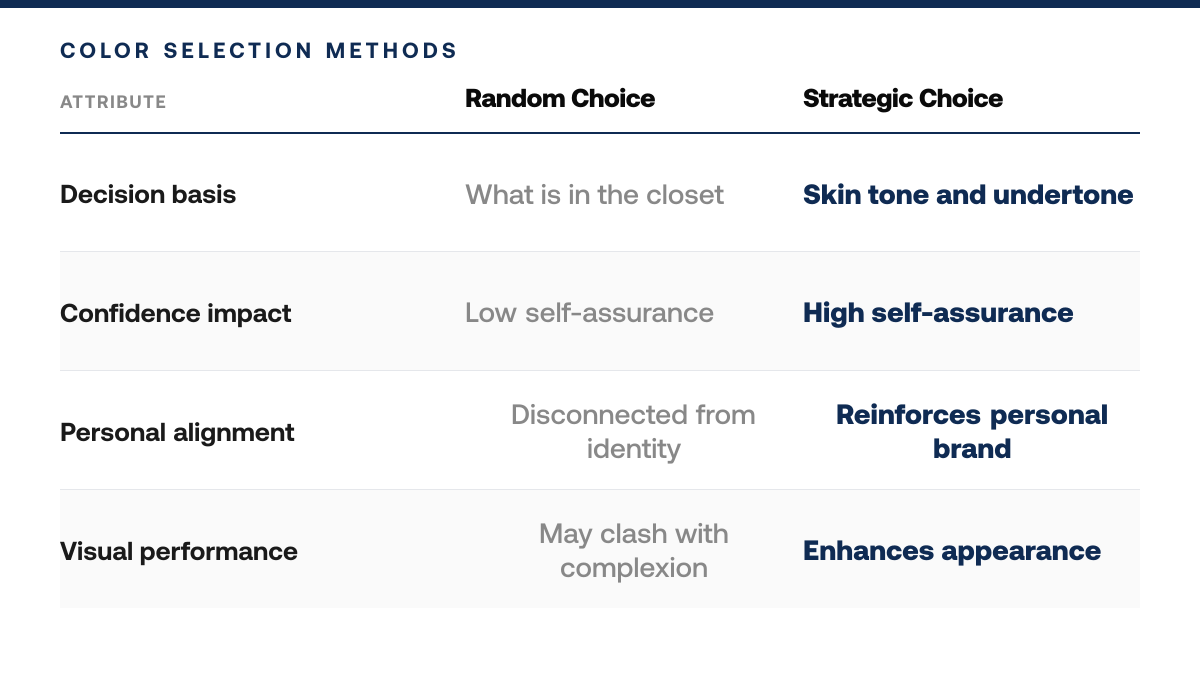
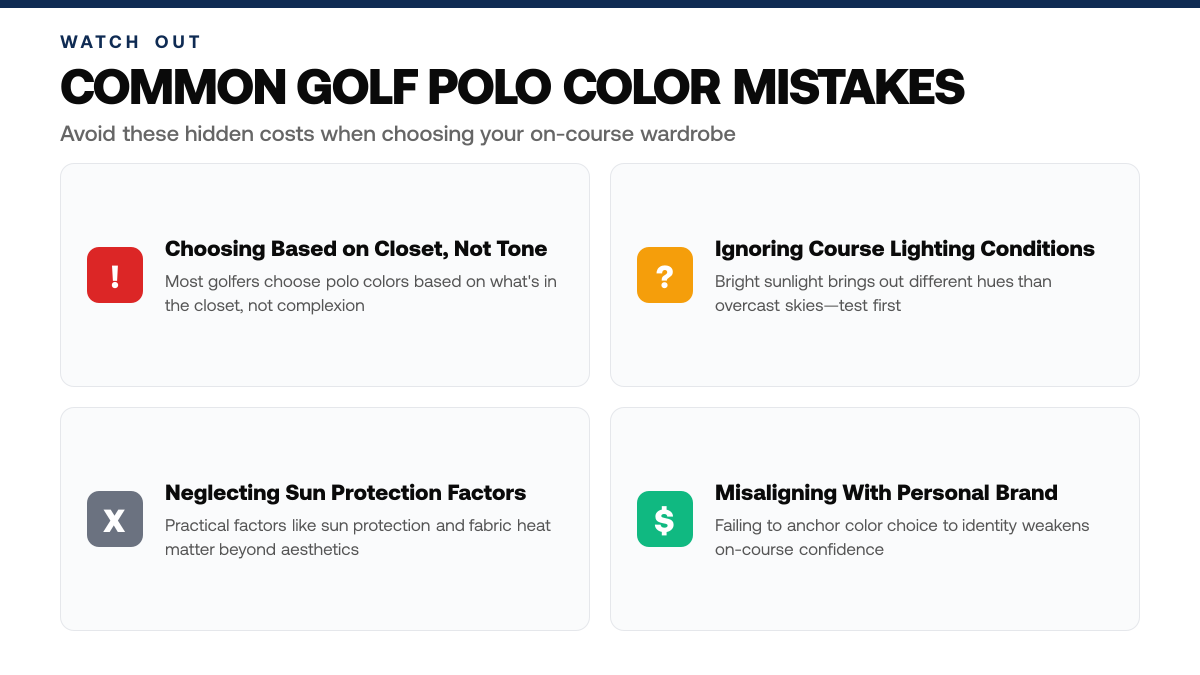
This guide walks you through how to select polo colors that work for your skin tone, course conditions, and playing style. You'll learn which hues offer the best visibility, how to use color strategically for confidence, and how to build a rotation that keeps you looking sharp while staying comfortable. Whether you're drawn to classic tones or bold statements, the principles remain the same. Most golfers choose polo colors based on what's in the closet, not what actually complements their skin tone and swing confidence — Haven Golf Company's themed collections (Patriotic, Military, and College Town lines) let you anchor color choice to personal identity, so the shade you wear reinforces who you are on the course.
TL;DR
Choose golf polo colors by evaluating your skin tone undertone—warm, cool, or neutral—to ensure the shade complements your complexion and enhances your appearance on the course.
Course lighting and weather conditions affect how colors appear; bright sunlight brings out different hues than overcast skies, so test your polo choice in your typical playing environment.
Align your polo color with your personal brand, team affiliation, or school colors to build a cohesive on-course identity that reflects your values and strengthens group recognition.[5]
Understanding Golf Polo Color Selection and Personal Confidence
What Is Color Psychology in Golf Apparel?
Color psychology is the study of how different hues influence mood, perception, and behavior. In golf apparel, your polo color communicates something about your play style and mental state before you even swing. Warm tones—reds, oranges, and golds—project energy, confidence, and assertiveness on the course, while cool tones like blues, greens, and purples convey calm focus and composure. Your choice of polo color isn't merely aesthetic; it shapes how you carry yourself and how others perceive your presence during play.[1]
Why Skin Tone Undertones Matter for Your Polo Choice
Your natural skin undertone—whether warm, cool, or neutral—determines which colors will enhance your appearance and boost your confidence during play. Warm undertones pair beautifully with earth tones, warm reds, and golden hues that make your complexion glow. Cool undertones shine in jewel tones, silvers, and blues that create striking contrast. Neutral undertones offer flexibility across the spectrum. When your polo color harmonizes with your undertone, you look healthier and more vibrant, which translates into greater self-assurance on the greens.[1]
Golf Apparel Color as a Market Trend
Golf fashion has evolved beyond traditional whites and pastels into a dynamic palette reflecting personal identity, team pride, and patriotic expression. Golfers and lifestyle apparel shoppers now seek polos that perform at high levels while making a statement about who they are. The intersection of color psychology, skin tone compatibility, and performance fabric has created an opportunity for players to choose apparel that flatters their game mentally and visually. Understanding these principles helps you select polos that feel as good as they look.
Key Numbers for How to Choose Golf Polo Colors That Flatter Your Game (2026)
#1 color trend of 2026: Pantone's Cloud Dancer — an off-white neutral dominating golf course fashion this season.
2026 marks a dual-tone shift: courses are seeing both muted, sophisticated neutrals AND bold accent colors rise simultaneously.[2]
UPF-rated lighter polo shades block a measurable portion of UV rays, making color choice a functional sun-protection decision on the course.
At least 3 distinct color families — earth tones, bright accents, and classic whites — are identified as top 2026 golf apparel trends.[2]
1 Pantone shade (Cloud Dancer) is cited by Golf Digest as the single most wearable crossover color from course to casual lifestyle in 2026.
Darker contrast polos are flagged across multiple 2026 trend reports as the go-to choice for high-glare, bright-condition rounds.[2]
Step-by-Step Process
1. Assess your skin tone and undertone
Determine whether your skin has warm, cool, or neutral undertones—this foundation shapes which colors will harmonize with your complexion. Warm undertones typically pair well with earth tones, golds, and warm reds; cool undertones suit blues, purples, and silvers; neutral undertones offer flexibility across the spectrum. Hold fabric swatches against your neck in natural daylight to see which hues make your skin appear vibrant versus dull. This step prevents selecting a trending color that clashes with your natural coloring, leaving you looking washed out on the course.[3]
2. Evaluate course conditions and lighting
Scout your typical playing environment—whether it's a shaded woodland course, an open links layout, or a manicured parkland setting. Different lighting conditions affect how colors appear: bright sunlight intensifies bold hues, while overcast skies and tree cover can mute them. This is exactly the kind of detail Haven Golf Company builds its products around. A vibrant neon yellow may pop beautifully on a sunny seaside course but disappear into shadow on a heavily treed layout. Similarly, consider the time of day you usually play; morning and late-afternoon light cast warmer tones, while midday sun is neutral and harsh. Matching your polo color to your environment ensures you look intentional rather than accidentally camouflaged.[4]
3. Consider your personal brand or team colors
Reflect on whether you want your polo to express personal identity, patriotic pride, school affiliation, or club membership. Team and organizational colors carry meaning and create instant visual cohesion on the course. It's the standard Haven Golf Company holds every piece in its range to. If you're building a signature look, selecting a core palette of two or three colors you return to repeatedly strengthens your personal brand without requiring you to chase every seasonal trend. This intentional approach also simplifies wardrobe decisions and ensures your choices feel authentic to who you are rather than driven by what's fashionable.
How This Works in Practice
Example 1: Fair Skin with Cool Undertones
Picture a golfer with fair skin and cool undertones who typically reaches for neutral colors on the course—grays, blacks, and muted tones that feel safe but don't reflect her personal style. According to modern golf wear guidance, jewel tones like emerald, sapphire, and deep plum are specifically suited to cool undertones and fair complexions, creating a striking contrast that enhances both the golfer's appearance and on-course visibility. When she switches to a jewel-toned polo, the color doesn't just flatter her skin; it also stands out against the green fairway, making her easier to spot for playing partners and gallery members. The richer saturation of jewel tones also pairs naturally with her undertone, so the color feels intentional rather than costume-like. Within a few rounds, she notices that the investment in color-matched polos has boosted her confidence—she's no longer playing it safe with neutrals, and the improved visibility means better communication with her group.[2]
Example 2: Deeper Skin Tones and Warm, Saturated Colors
Consider a golfer with deeper skin tones who wants to honor his heritage through his team polo while maintaining the comfort and visibility he needs on the course. Warm, saturated colors—golds, burnt oranges, rich reds, and warm terracottas—complement deeper complexions by creating natural harmony with the skin's undertone and allowing the golfer's features to remain the focal point rather than the apparel. When he selects a warm-toned team or patriotic polo in a saturated hue, the color doesn't compete with his appearance; instead, it amplifies his presence on the course. The saturation also ensures visibility in varying light conditions, from early morning rounds to late-afternoon play. By choosing colors that align with both his skin tone and his team identity, he achieves a look that feels authentic and intentional—not a compromise between personal expression and practical performance.[2]
Why Undertone and Saturation Matter
Both examples illustrate a core principle: the right polo color isn't just about aesthetics—it's about honoring your identity while ensuring you're visible and comfortable on the course. When you match color strategy to your skin tone and undertone, you're not adding complexity; you're removing the guesswork and investing in pieces that work harder for you across multiple rounds and conditions.[2]
Golf Polo Selection Checklist
Hold the polo against your skin in natural light to verify the color complements your complexion and doesn't wash you out.
Check the fabric weight and breathability rating to ensure it performs in your typical course conditions.
Compare the polo's design details—collar style, sleeve length, logo placement—against your personal brand and playing aesthetic.
Try the polo on and move through a golf swing motion to confirm the fit allows full range of motion without bunching or pulling.
Common Mistakes to Avoid
Mistake: Ignoring your skin tone undertones when selecting polo colors
Choosing colors that clash with your natural undertones—warm, cool, or neutral—can wash you out on the course and undermine your confidence and appearance. Test polo colors against your skin in natural daylight before purchasing. Hold swatches next to your neck and wrist to see which hues enhance your complexion and make you feel your best.[6]
Mistake: Picking polos without considering your typical course lighting and conditions
A color that looks sharp in a retail store may appear dull or unflattering under the specific lighting and weather conditions of your home course. Visibility matters too—dark polos can fade into shadows on tree-lined fairways, while very bright colors may cause glare. Wear or test your polo in the actual playing environment before committing to multiple purchases.[6]
Mistake: Prioritizing trend over personal comfort and wearability
Chasing seasonal fashion without ensuring the color genuinely suits your style and lifestyle leads to unworn inventory and wasted investment. A trendy neon or bold pattern may look exciting on a runway but feel uncomfortable or impractical for hours on the course. Choose colors you'll reach for repeatedly because they align with your identity and make you feel confident.[6]
Frequently Asked Questions
How do I balance personal style with performance when choosing polo colors?
Start by identifying colors that complement your skin tone and make you feel confident—confidence directly influences how you carry yourself on the course. Then layer in performance considerations: lighter colors reflect heat in warm conditions, while darker tones can reduce glare. The goal is finding colors that satisfy both criteria, so you're not sacrificing comfort or identity. Most golfers find that 3–5 core colors that flatter them personally can be mixed across multiple polos to build a cohesive, versatile wardrobe.
Do seasonal color trends matter for golf polos?
Seasonal trends can inform your choices, but personal preference and climate should drive your decisions. Summer typically calls for lighter, breathable palettes, while autumn and winter allow richer, deeper tones. Rather than chasing trends, focus on building a wardrobe of timeless colors that work year-round in your region. A well-chosen polo in a classic shade will serve you far longer than one selected purely for trend appeal, ensuring better long-term satisfaction with your investment.
How do I build a versatile polo wardrobe that works across different conditions?
Select a foundation of 3–5 neutral or classic colors that complement your complexion, then add accent shades that reflect your personal style and regional climate. Pair these with performance fabrics designed to manage moisture and temperature across seasons. This approach lets you mix and match polos for different occasions—casual rounds, tournaments, or social outings—without needing dozens of pieces. Over time, you'll develop a collection that feels cohesive, performs reliably, and genuinely represents who you are.
How to Choose the Right Golf Polo Fabric for Your Game — Stand on the practice range on a humid afternoon, and you'll notice something immediate: the golfer in a heavy cotton shirt is already uncomfortable, while the player in…
How to Choose Golf Polo Fabric for Your Swing Type — Walk into any pro shop and you'll notice something that wasn't true a decade ago: golfers are as deliberate about their polo fabric as they are about their clubs. The…